
Key points
- Long-term, not contagious
- Skin cells grow too fast
- Stress and infections often trigger flares
- Watch for joint pain
What it is
Psoriasis is a long-term condition in which the immune system speeds up the growth of skin cells. Instead of shedding in about a month, cells build up in a few days, forming raised, scaly patches.
It tends to run in families and usually follows a pattern of flares and calmer periods. In some people it also affects the nails and joints.
Common signs
- Raised red or darker patches covered with silvery-white scales
- Common areas: elbows, knees, scalp, lower back
- Itching, burning or cracking of the skin
- Pitted, thick or discoloured nails
- Stiff, swollen or painful joints in some people
What can set it off
- Stress — one of the most common triggers
- Throat or skin infections
- Injury to the skin, such as a cut, scratch or sunburn
- Cold, dry weather
- Smoking and alcohol
- Stopping certain medicines suddenly
Everyday care that helps
- Moisturise generously, especially after bathing
- Use lukewarm water and mild, fragrance-free soap
- Soften scalp scales gently — don't pick them off
- Short periods of gentle morning sunlight may help some people; avoid sunburn
- Manage stress with regular sleep, walking or yoga
- Avoid smoking and limit alcohol
When to see a doctor promptly
- Large areas of skin become red, hot or peel off
- You have fever with a widespread rash
- Pus-filled spots appear
- Joints become swollen, stiff or painful
How we approach it at Gursagar
We take a careful history of how your psoriasis began, its pattern, triggers, stress, sleep, digestion and family health, and check the skin, scalp, nails and joints.
Dr. Shah then prescribes classical homoeopathic medicine chosen for you individually, with follow-ups to review progress. Any medicines from your other doctors are continued unless they advise otherwise.
Common questions
Is psoriasis contagious?
No. It cannot spread from person to person.
Does diet matter?
A balanced diet, a healthy weight and less alcohol support overall health and may reduce flares for some people.
Can I consult online?
Yes. Clear photos of the affected areas, nails and scalp help in an online consultation.
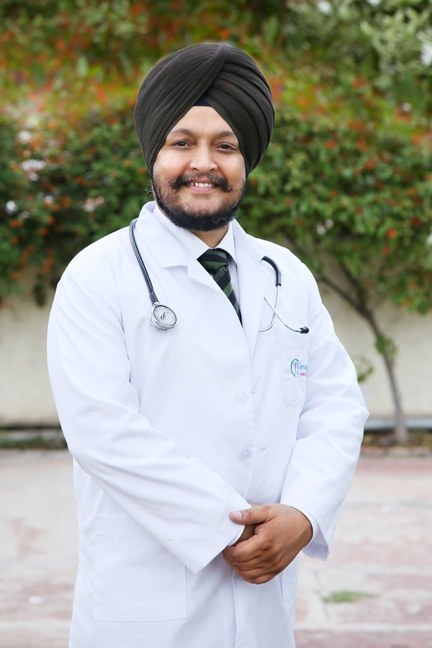
Practising classical homoeopathy since 1999 · Gursagar Homoeopathic Hospital, Rajpura & Chandigarh · Full profile →
Would you like Dr. Shah to look at your case?
Consult in person at Rajpura or Chandigarh, or online from anywhere in India and abroad.
This article is for general health education and is not a substitute for a medical consultation. Every person is assessed individually, and results differ from person to person. Please do not stop or change any medicine prescribed to you without speaking to your doctor. Dr. Randeep Singh Shah, D.H.M.S., AFHom (UK) · Reg. No. 2423-A.