
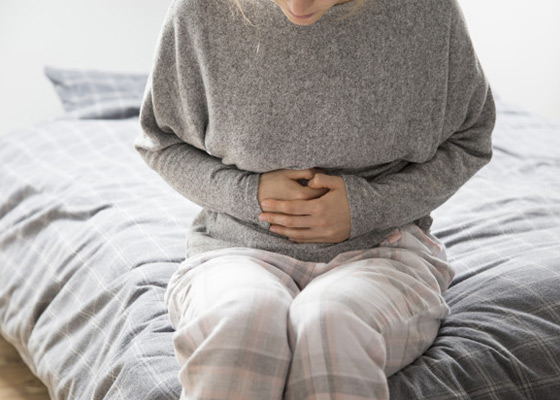
Key points
- Common hormonal condition
- Irregular periods, acne, hair changes
- Exercise and diet make a big difference
- No period for 3 months = see a doctor
What it is
Polycystic ovary syndrome (PCOS), often called PCOD, is a common hormonal condition in women. The ovaries may not release an egg regularly, and male-type hormones may be slightly higher than usual.
It often runs in families and is closely linked with how the body handles insulin. Many women with PCOS have small follicles ('cysts') on the ovaries on ultrasound, but not all.
Common signs
- Irregular, infrequent or missed periods
- Acne, oily skin
- Extra hair on the face, chin or body
- Thinning scalp hair
- Weight gain, especially around the waist
- Dark, velvety skin on the neck or underarms
- Difficulty becoming pregnant in some women
Things that make it worse
- Weight gain and inactivity
- Diets high in sugar and refined flour
- Poor sleep and stress
- Family history of diabetes
Everyday care that helps
- Move every day — brisk walking for 30–45 minutes makes a real difference
- Choose whole grains, dal, vegetables and protein; cut down on sugar, maida and fried snacks
- Even a 5–10% weight loss can help periods become more regular
- Sleep seven to eight hours
- Keep a simple period diary
- Have blood sugar and other tests as your doctor advises
When to see a doctor promptly
- No period for three months (and not pregnant)
- Very heavy bleeding
- Rapidly increasing facial or body hair, or a deepening voice
- Planning a pregnancy and periods are irregular
How we approach it at Gursagar
We take a detailed history of periods, skin, hair, weight, sleep, stress, family history and reports, and look at the whole person.
Dr. Shah prescribes classical homoeopathic medicine chosen for you individually, along with practical diet and exercise advice, reviewed over several months.
Common questions
Does PCOS mean I can't have children?
No. Many women with PCOS become pregnant, some with help. Early guidance is useful.
Are the 'cysts' dangerous?
No, they are small follicles, not harmful growths.
Can I consult online?
Yes, with your ultrasound and blood reports.
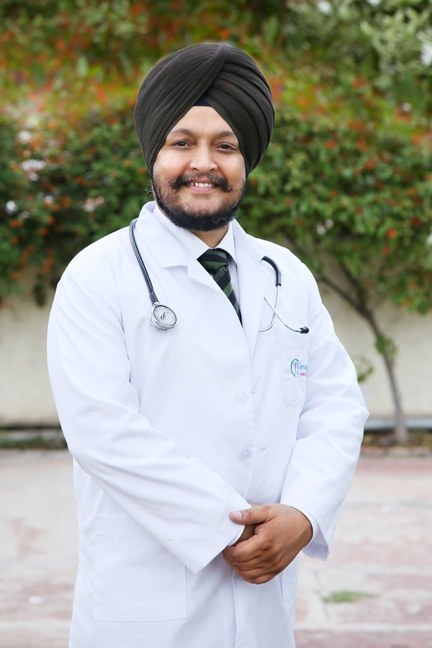
Practising classical homoeopathy since 1999 · Gursagar Homoeopathic Hospital, Rajpura & Chandigarh · Full profile →
Would you like Dr. Shah to look at your case?
Consult in person at Rajpura or Chandigarh, or online from anywhere in India and abroad.
This article is for general health education and is not a substitute for a medical consultation. Every person is assessed individually, and results differ from person to person. Please do not stop or change any medicine prescribed to you without speaking to your doctor. Dr. Randeep Singh Shah, D.H.M.S., AFHom (UK) · Reg. No. 2423-A.